INVASIVE PLANTS IN URBAN WETLANDS
Eat Invasive
THE IMBALANCE
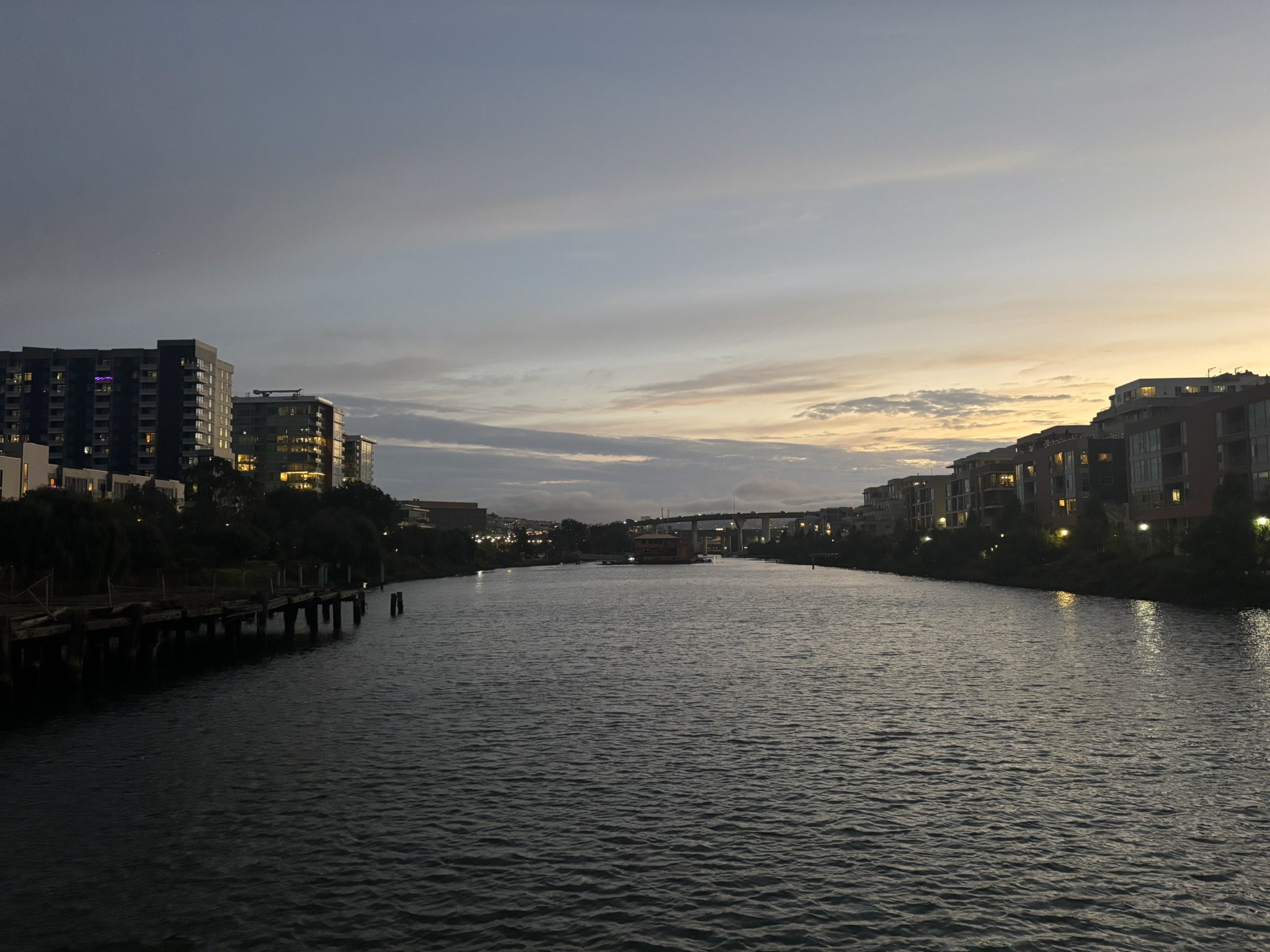
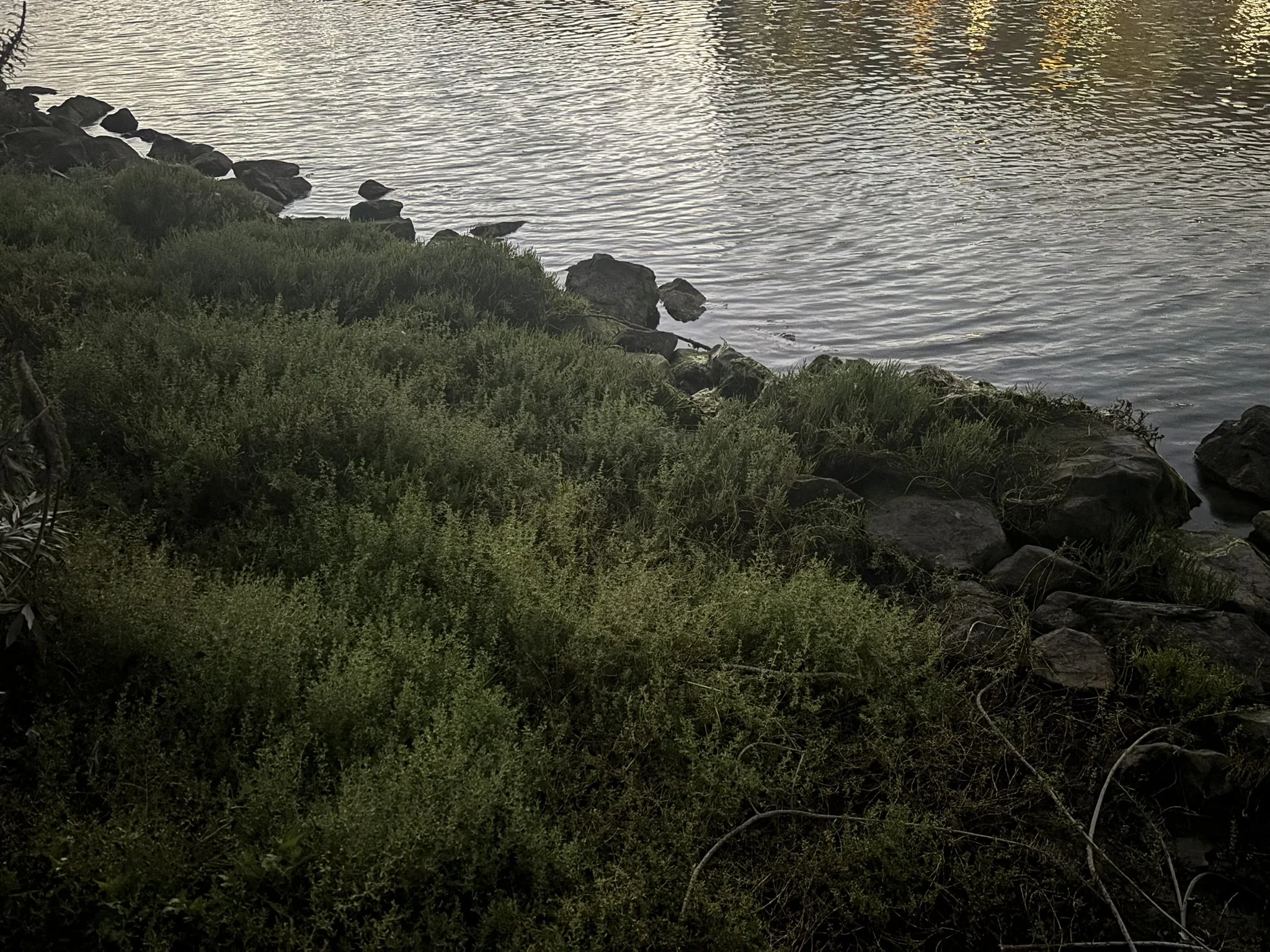
Wetland habitats like Mission Creek are particularly vulnerable to invasive species. Invasive plants will often out-compete native species for resources and space. I saw that invasive species were muscling in on native alkali heath, a plant that can only live in places just like Mission Creek, having evolved to filter the salt out of water. This slow-growing crawler of a plant spends a ton of energy on this endeavor, making it easily crowded out by faster invasives that can thrive almost anywhere.
THE PROBLEM IN CONTEXT
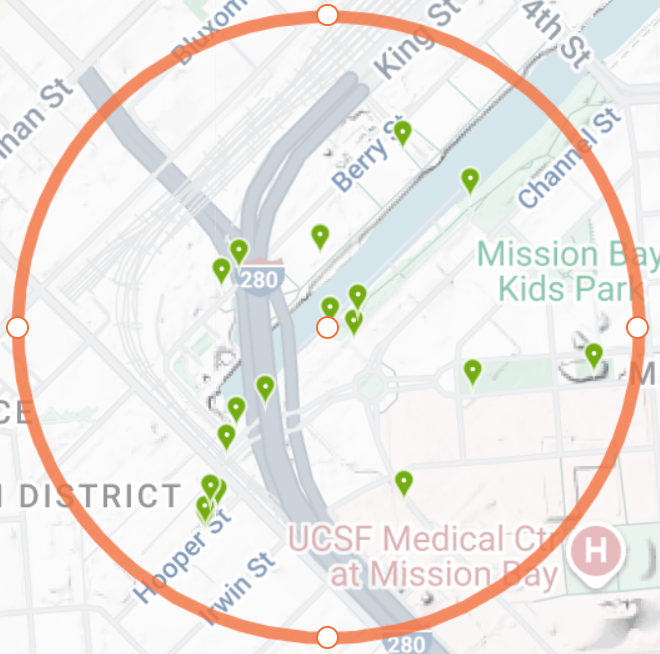
Eat Invasive is my response to the Site prompt for Thesis Studio in the Fall semester of my final year. This actually started out as a really frustrating project for me. The class was assigned to do a project that fit into our thesis that would relate in some way to Mission Creek Park. What did a brackish strip of water, some scrubby landscaping, and a walking path have to do with biodesign? At the time, my thesis was still tightly focused on Understory Workwear, the project I competed in the 2025 Biodesign Challenge with. I struggled to draw any kind of connection between eucalyptus, biomaterials, or workwear to a rather industrial park. I realized that perhaps the scope of my thesis was too narrow and I’d backed myself into a corner. So I re-entered a state of objectiveless exploration that is so critical to my process and decided I would just go exploring and see what happened. The citizen science app iNaturalist has become a valuable tool for me for identifying plants and animals. I conducted an informal survey of the plants that I found growing in the park, landscaped and tenaciously unsanctioned alike. I soon learned that beyond what had been intentionally planted, there was a diverse ecosystem asserting itself in the margins, especially on the creek’s banks.
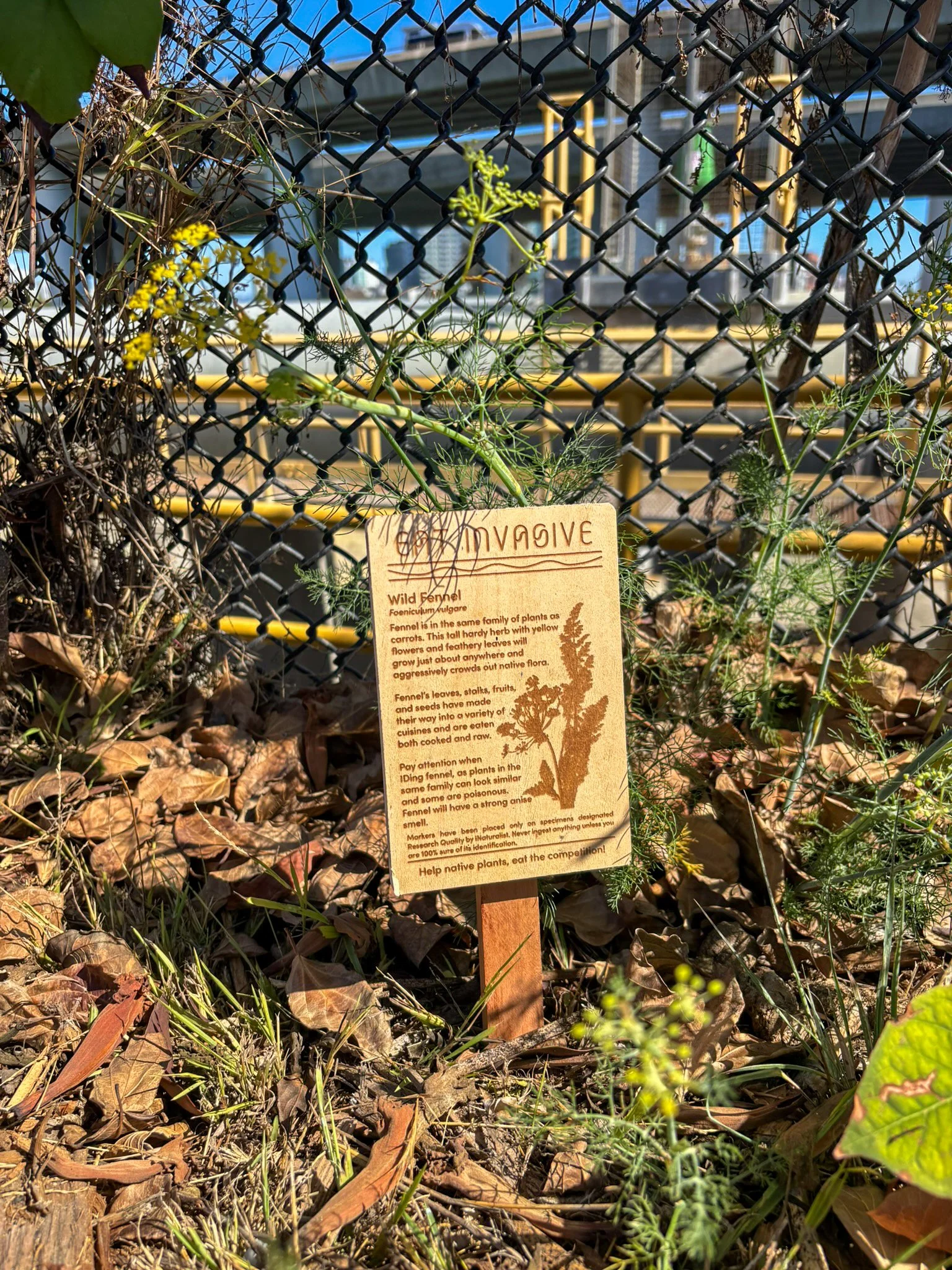
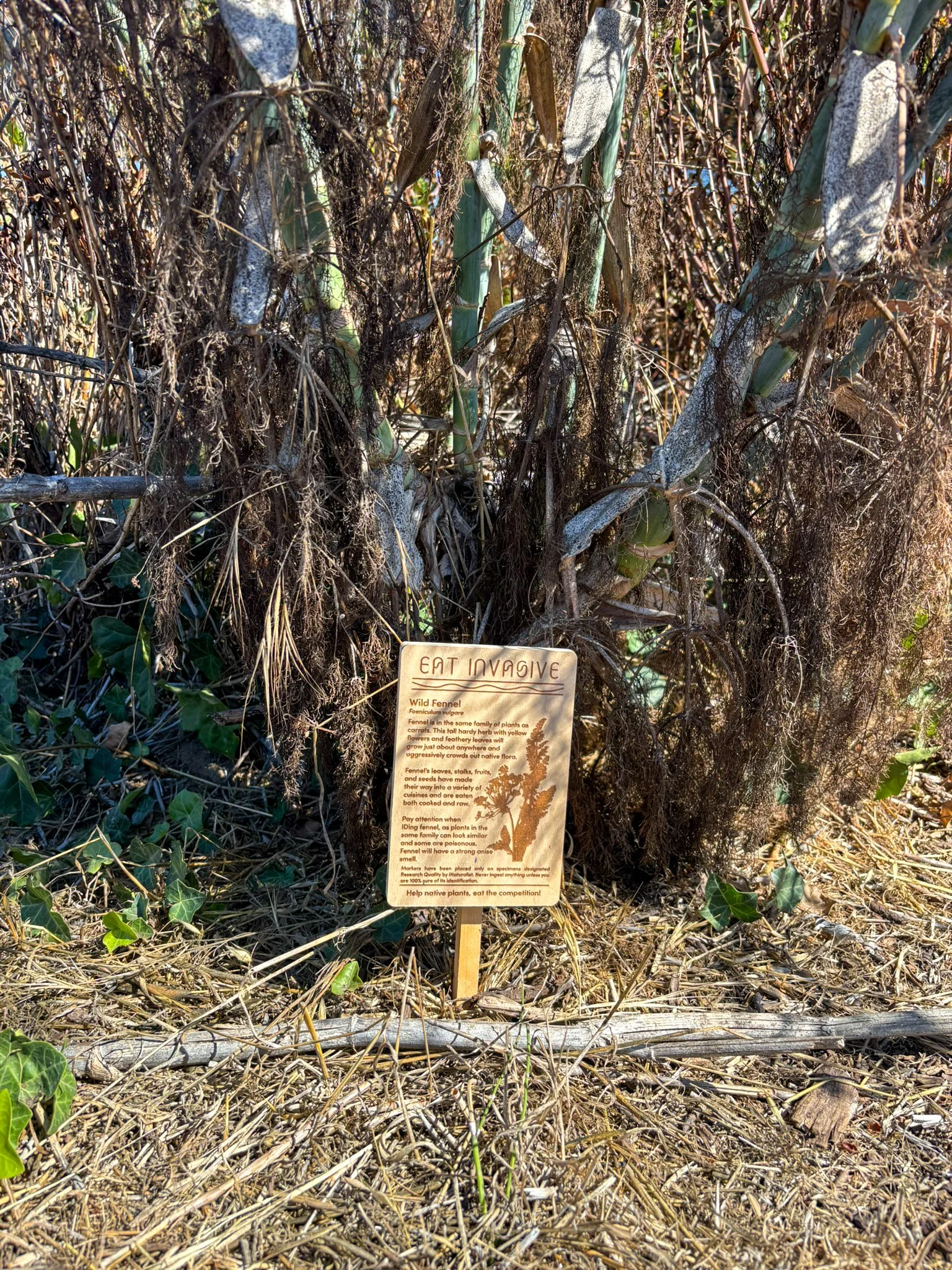
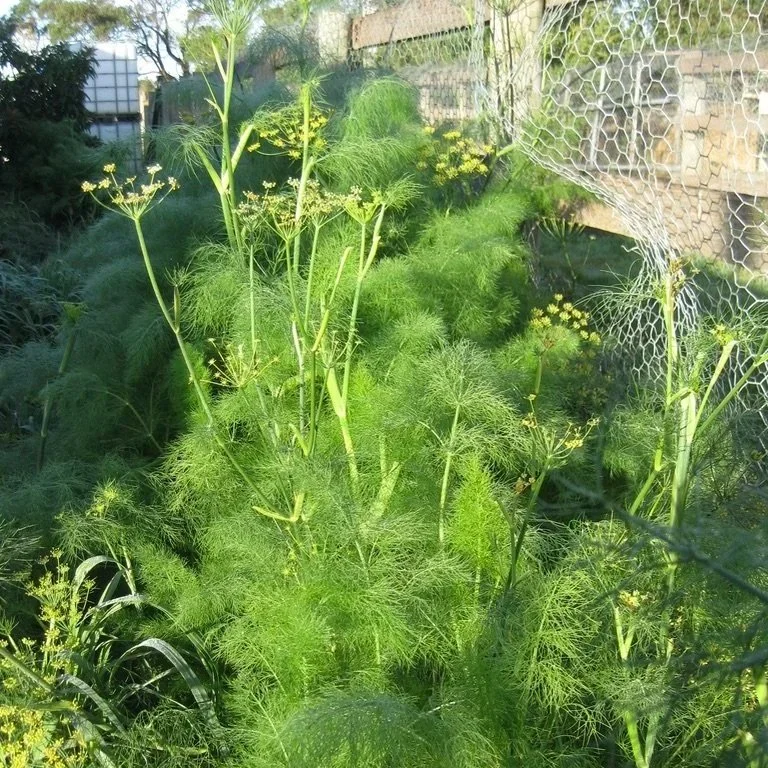
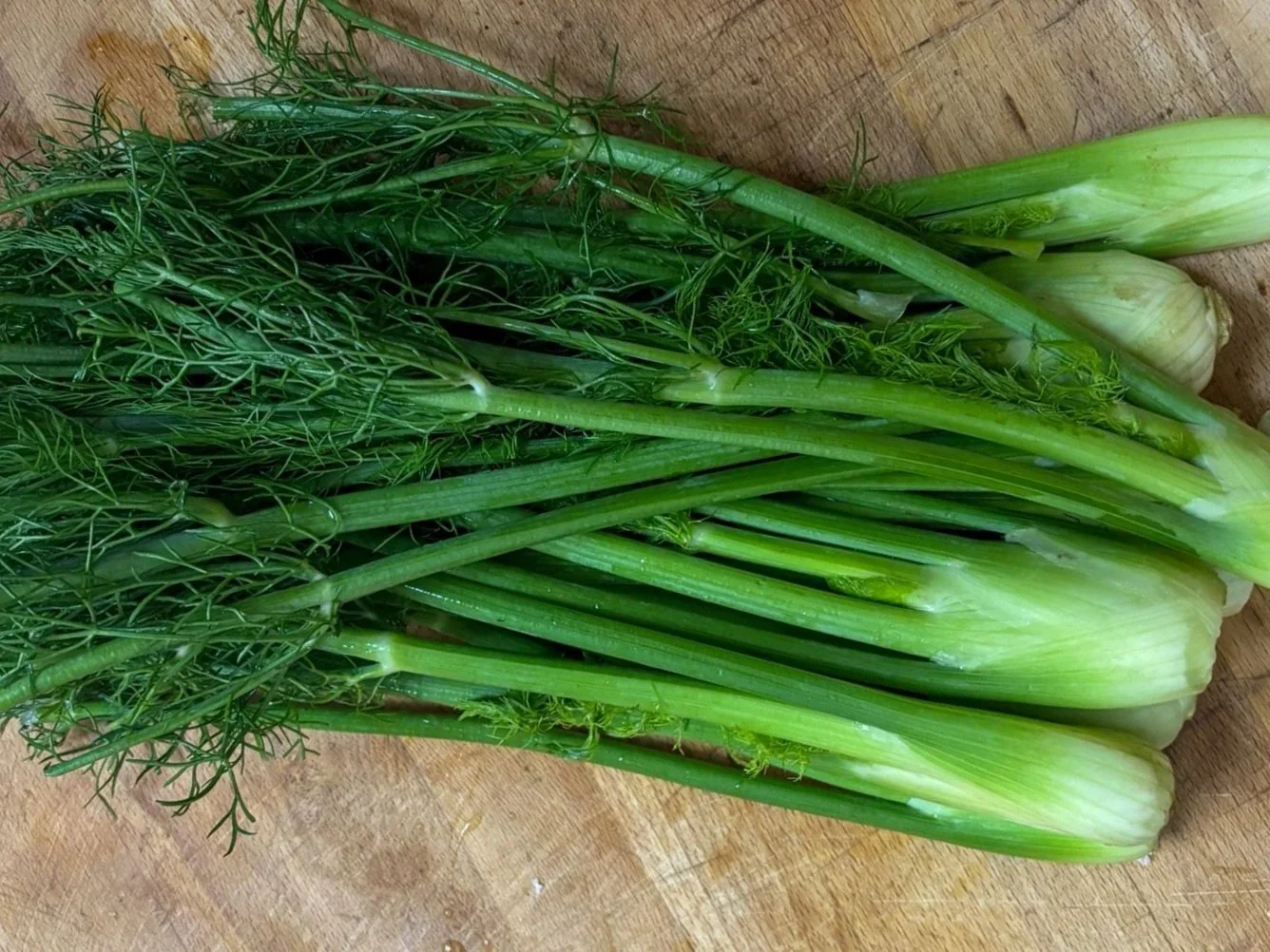
FENNEL
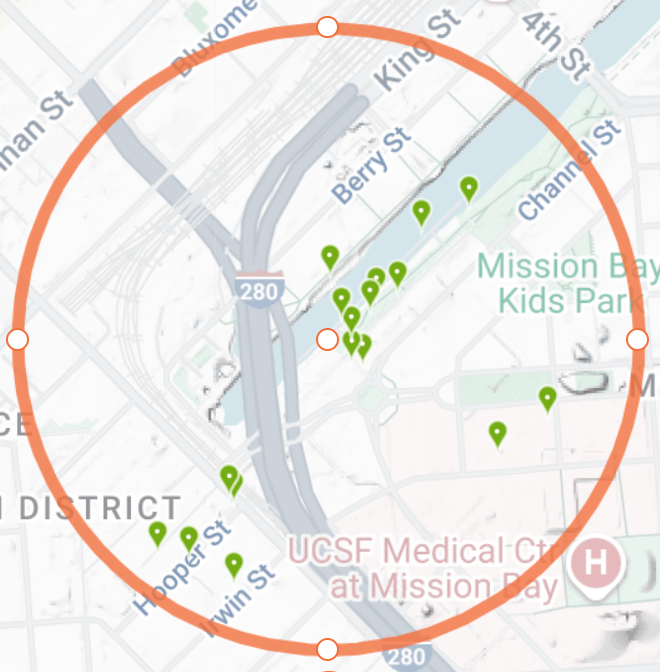
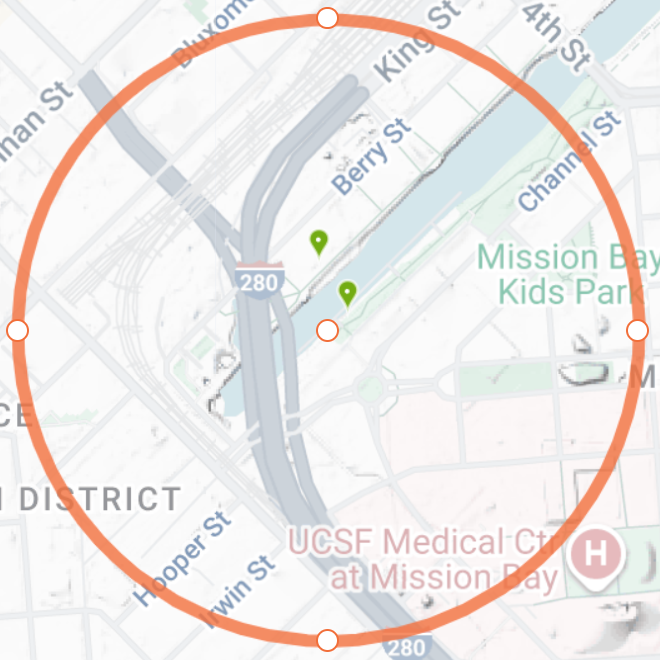
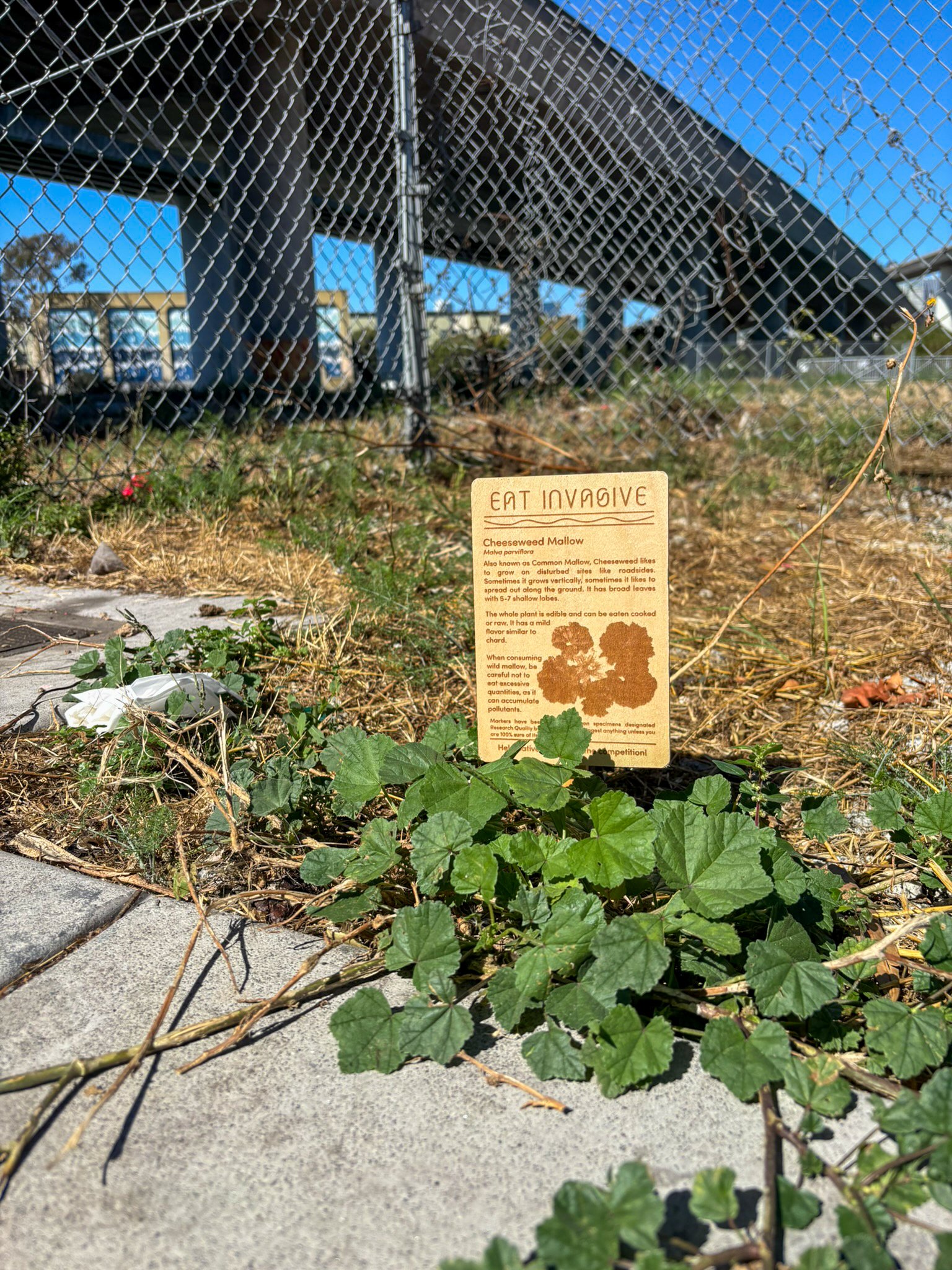
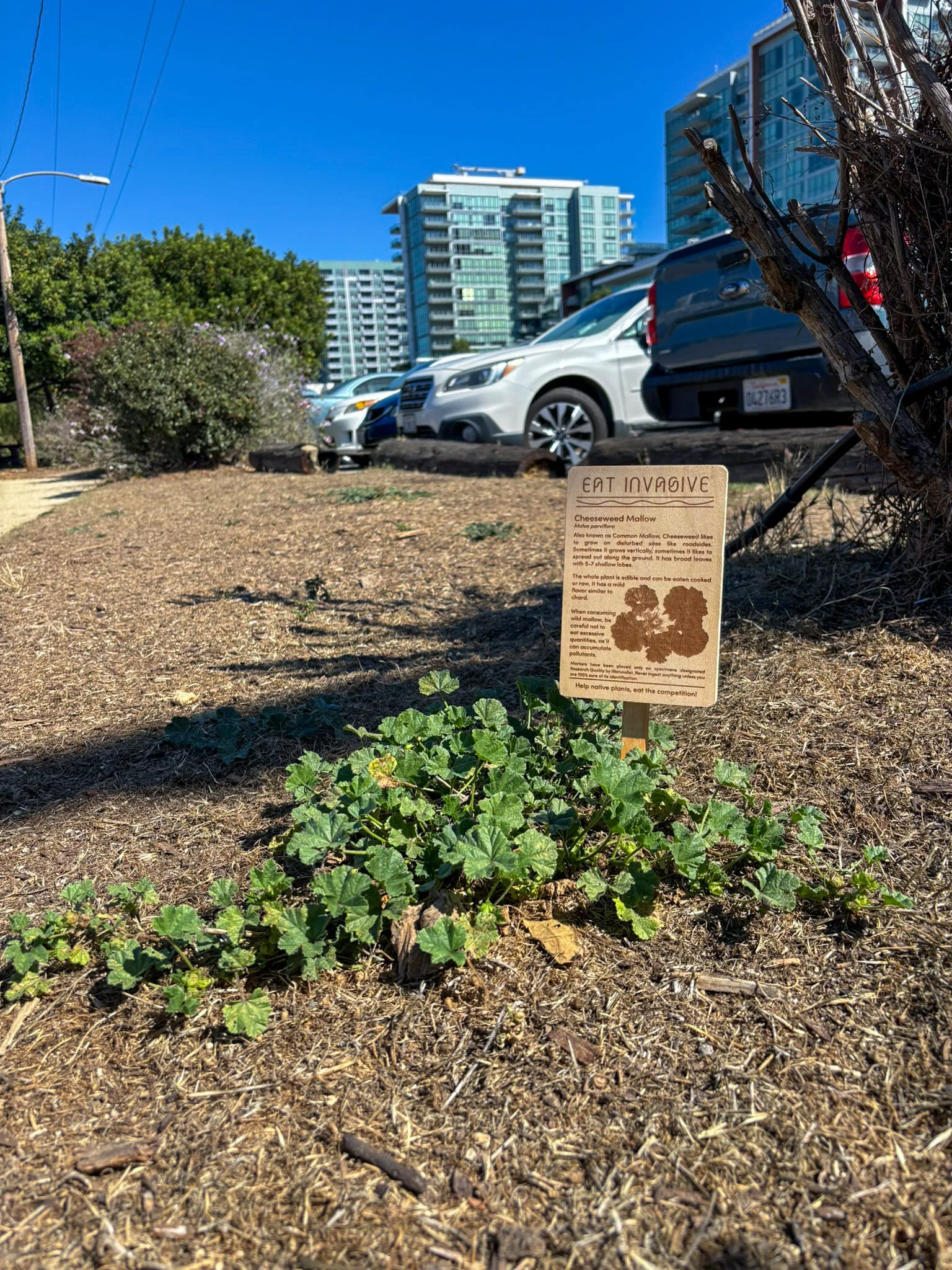
CHEESEWEED MALLOW
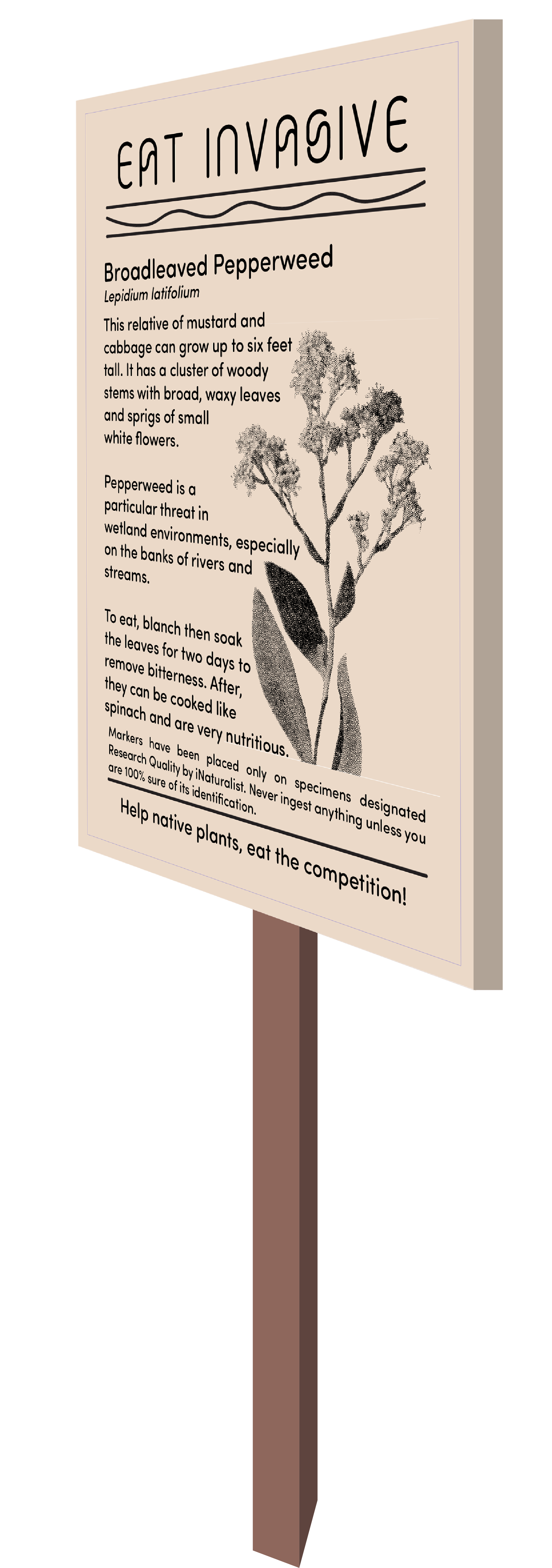
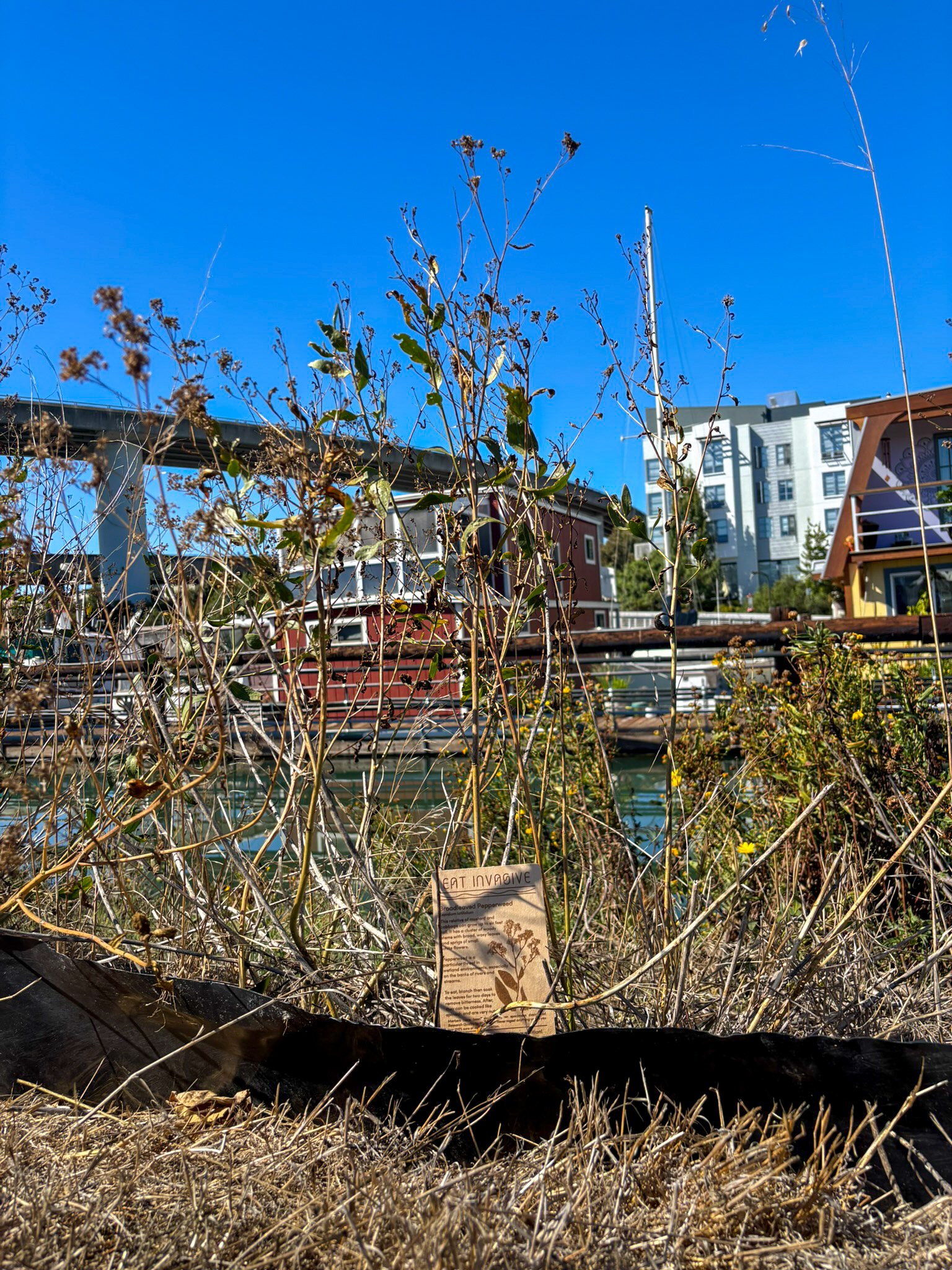
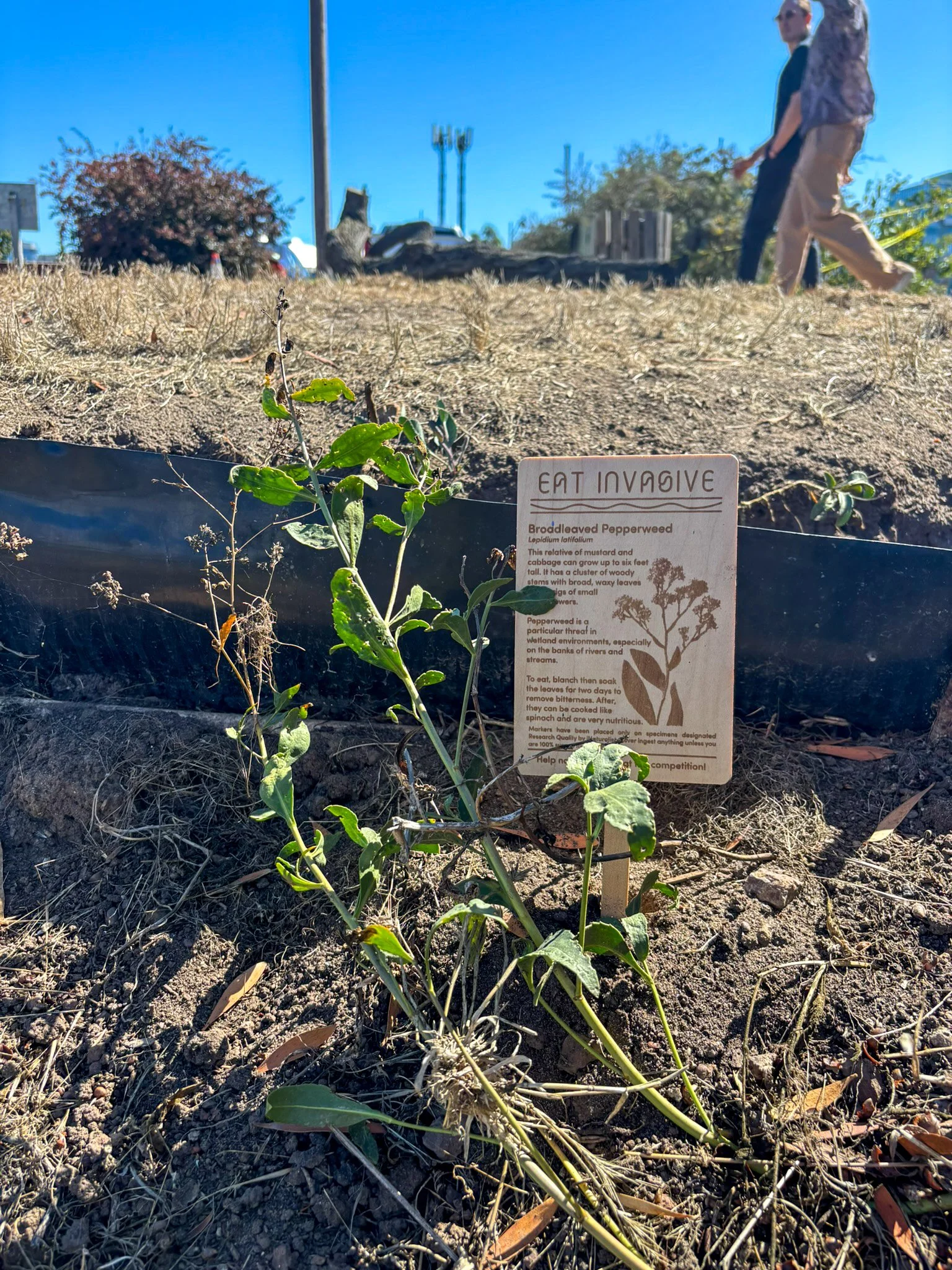
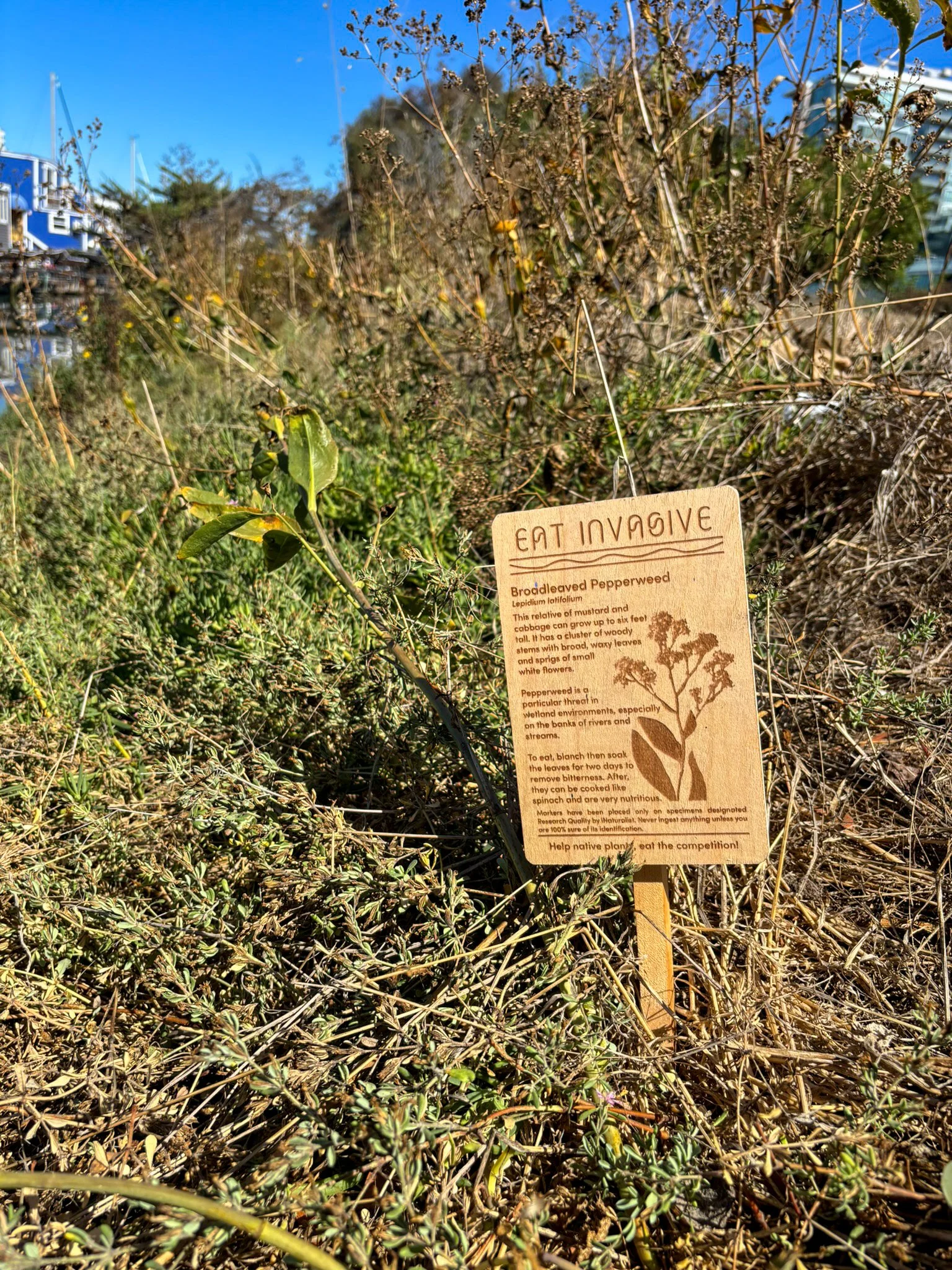
BROADLEAVED PEPPERWEED
THE INTERVENTION
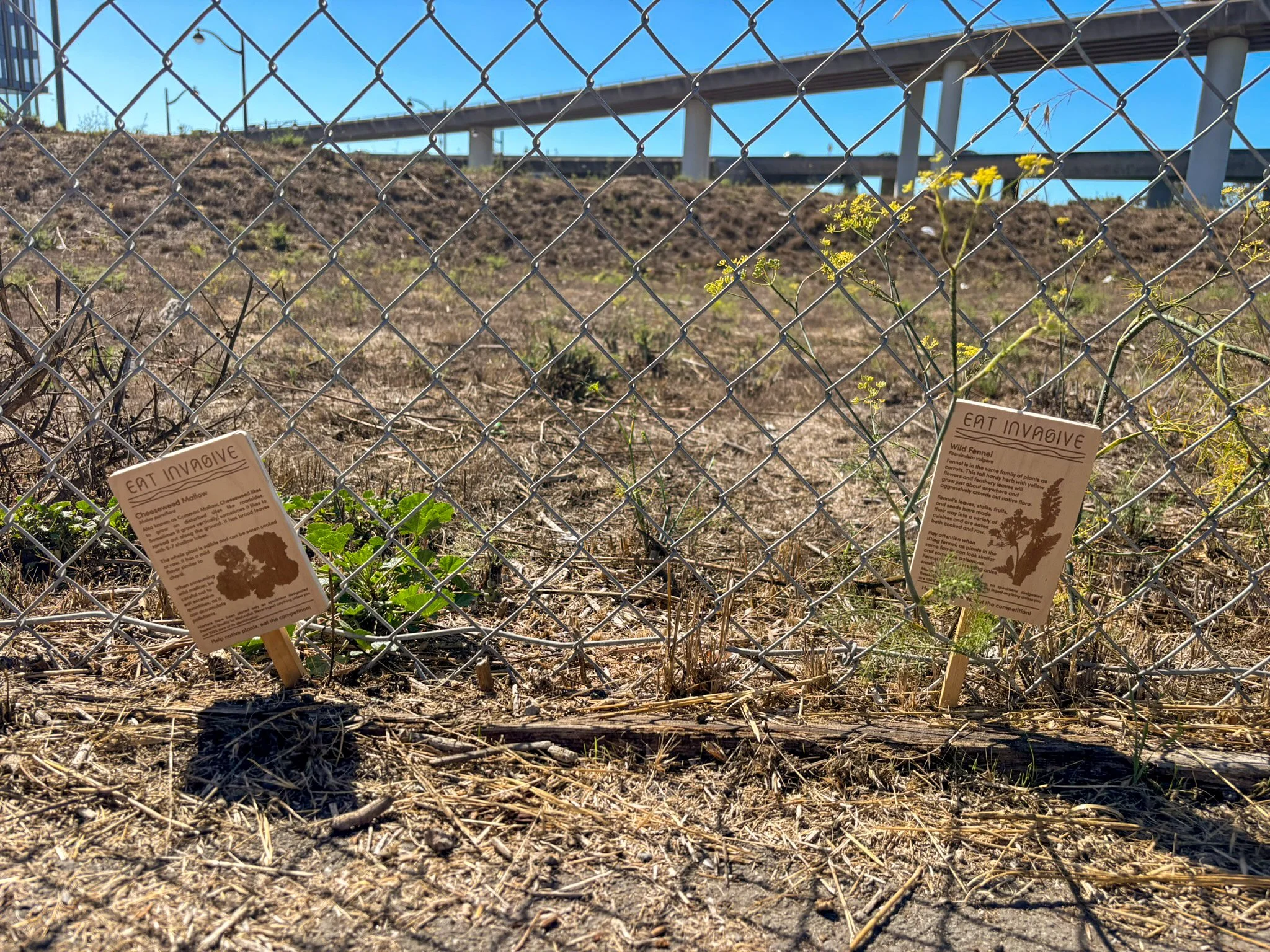
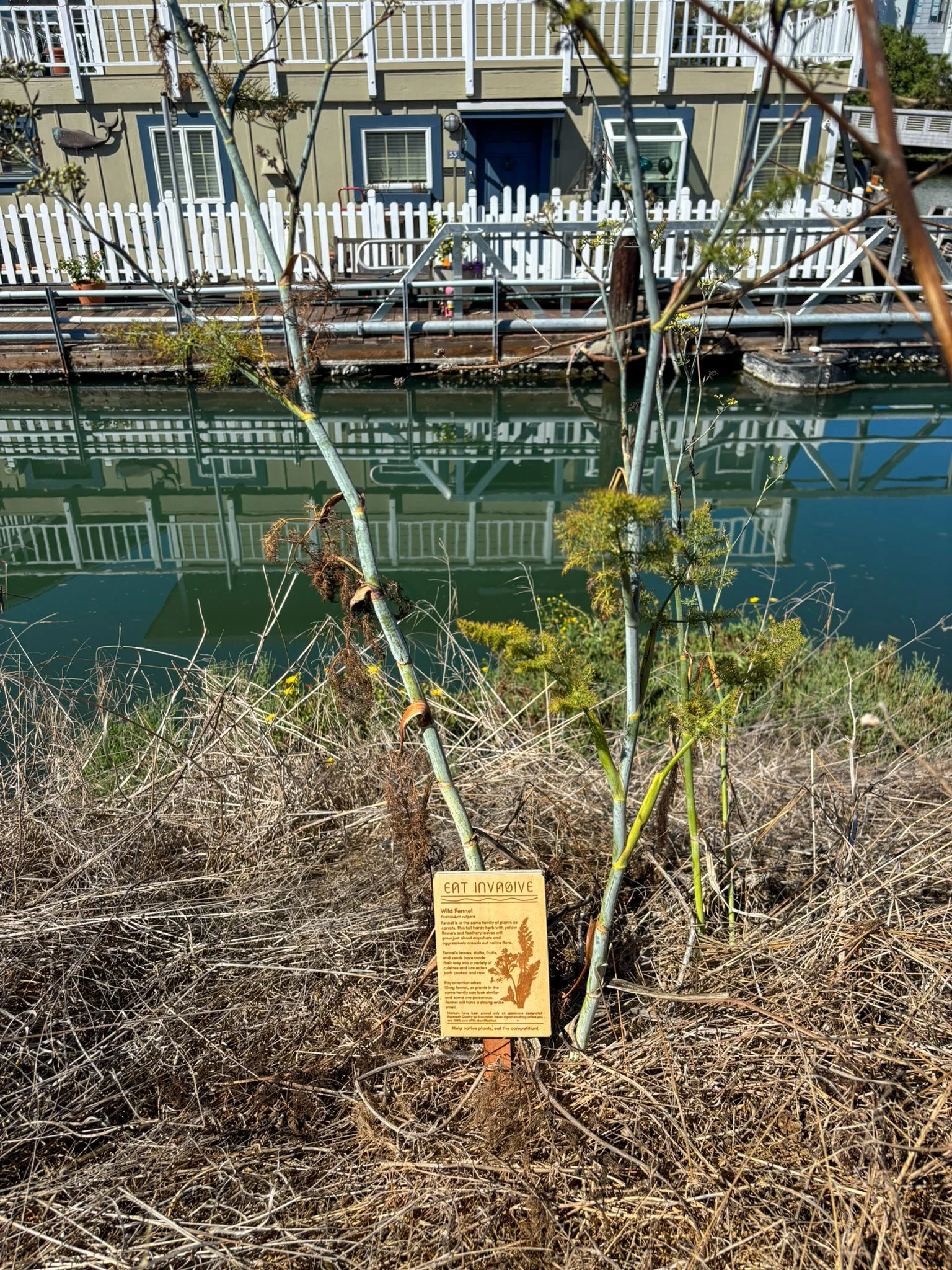
Foraging markers for edible invasives at Mission Creek Park.
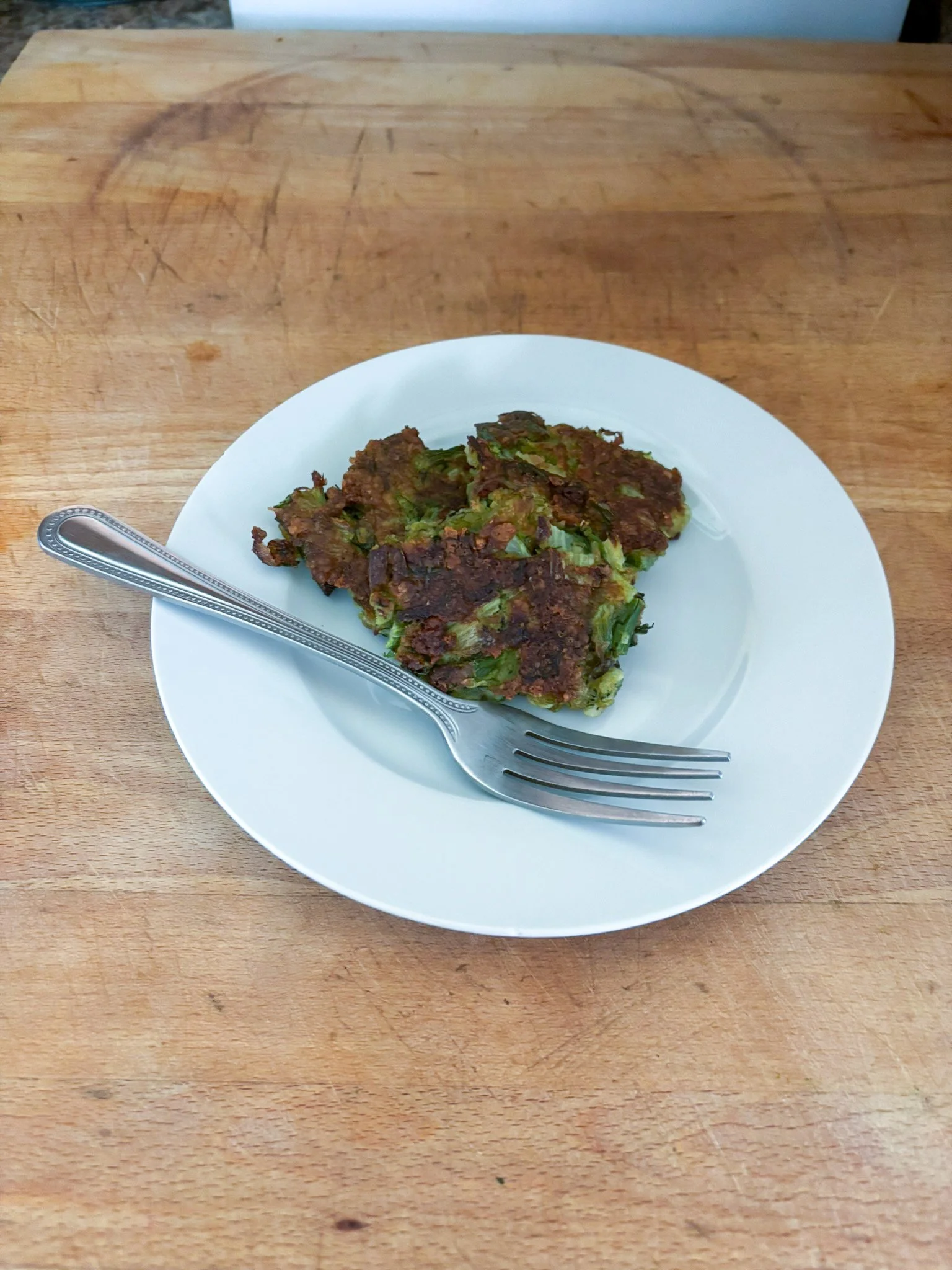
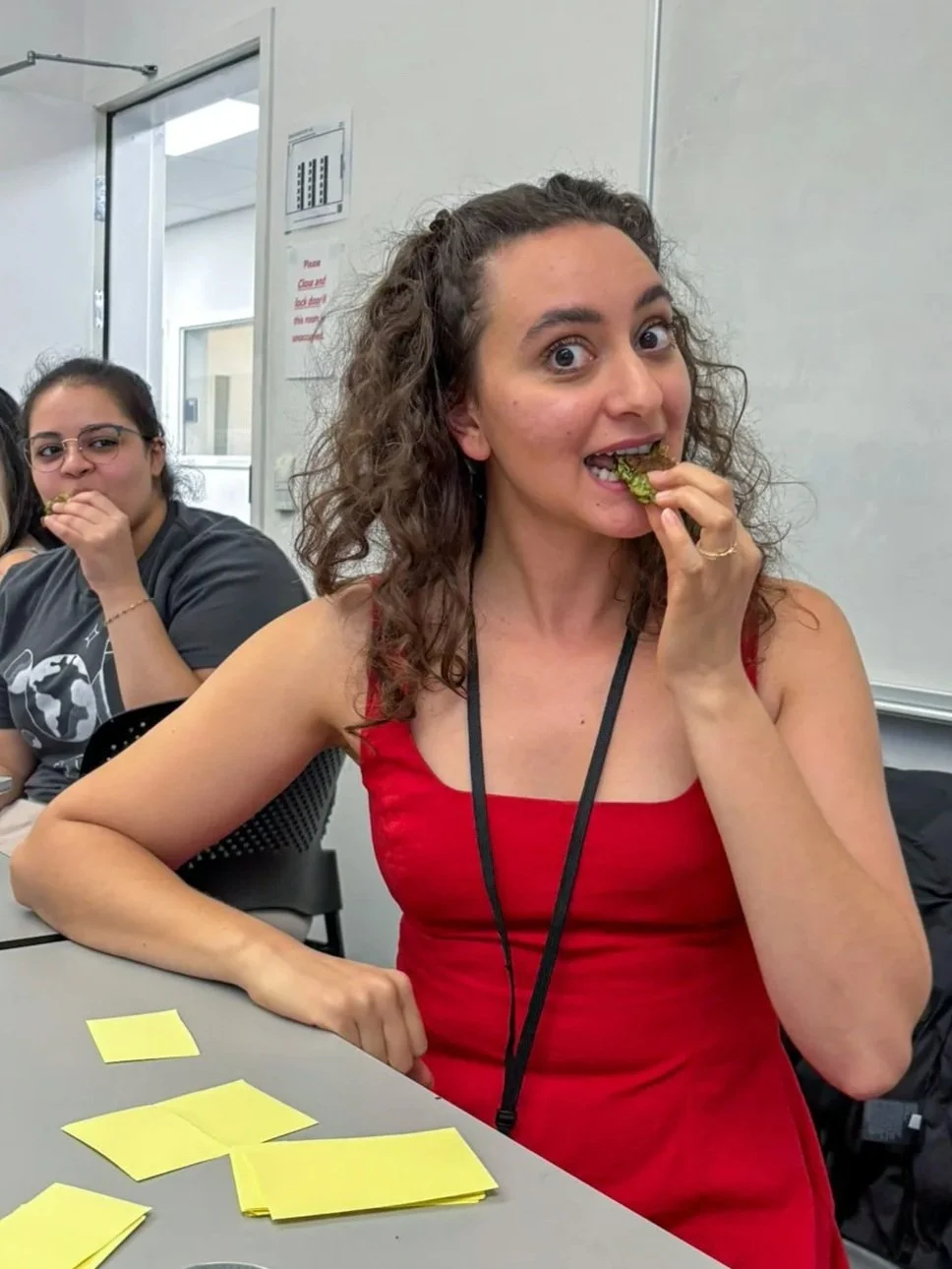
I decided to do something about that. Eat Invasive asked: what if we could lend a helping hand in a way that nourished ourselves, as well as the ecosystem? The project aimed to combat invasive plants by removing them from the urban landscape...and adding them to your plate.
I identified three edible invasive plants common to the site and gave them a marker with information on identifying characteristics, ways to eat, and hazards to watch out for. I chose fennel, cheeseweed mallow, and broadleaved pepperweed.
PROTOTYPING AND ITERATION
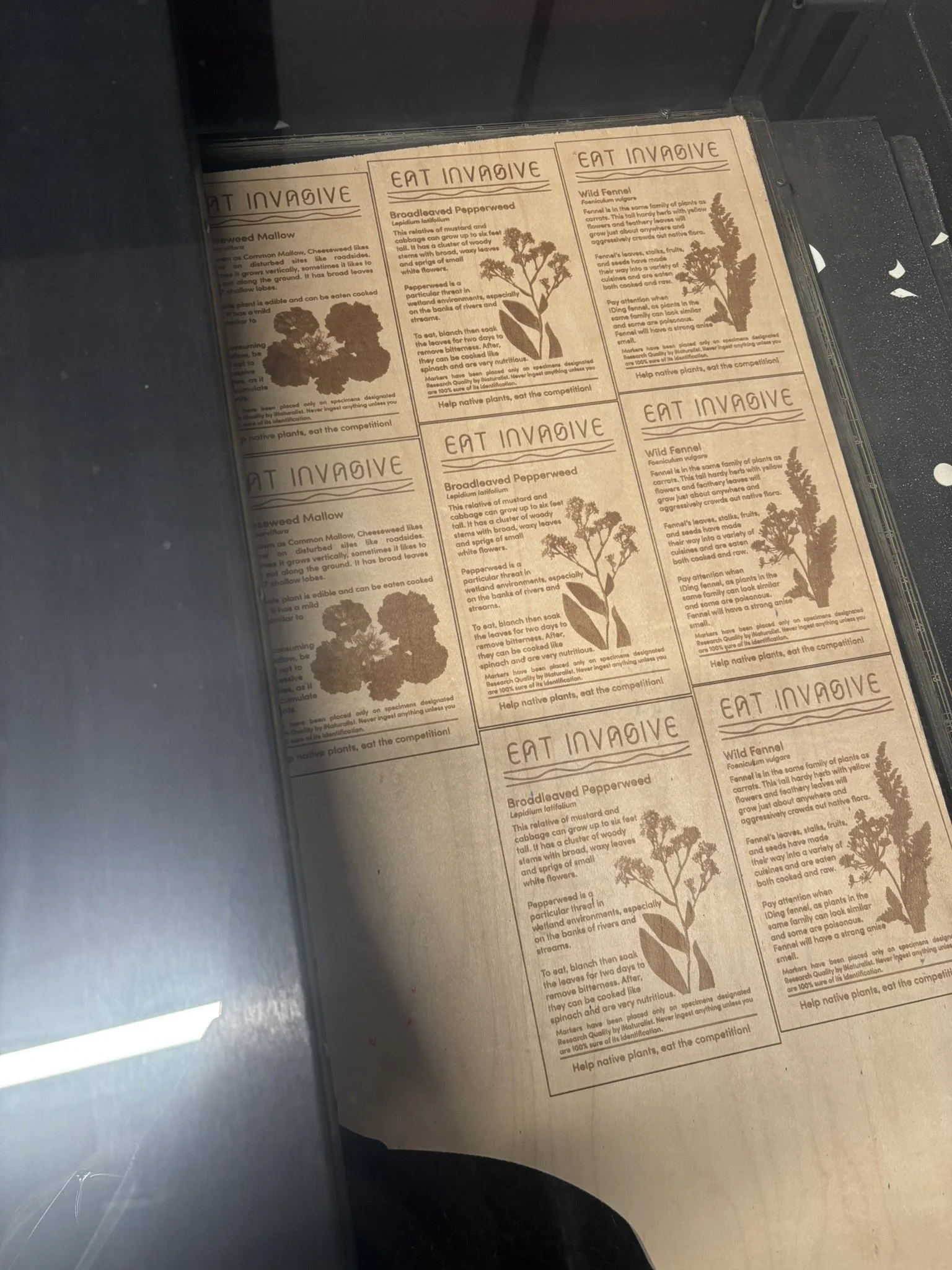
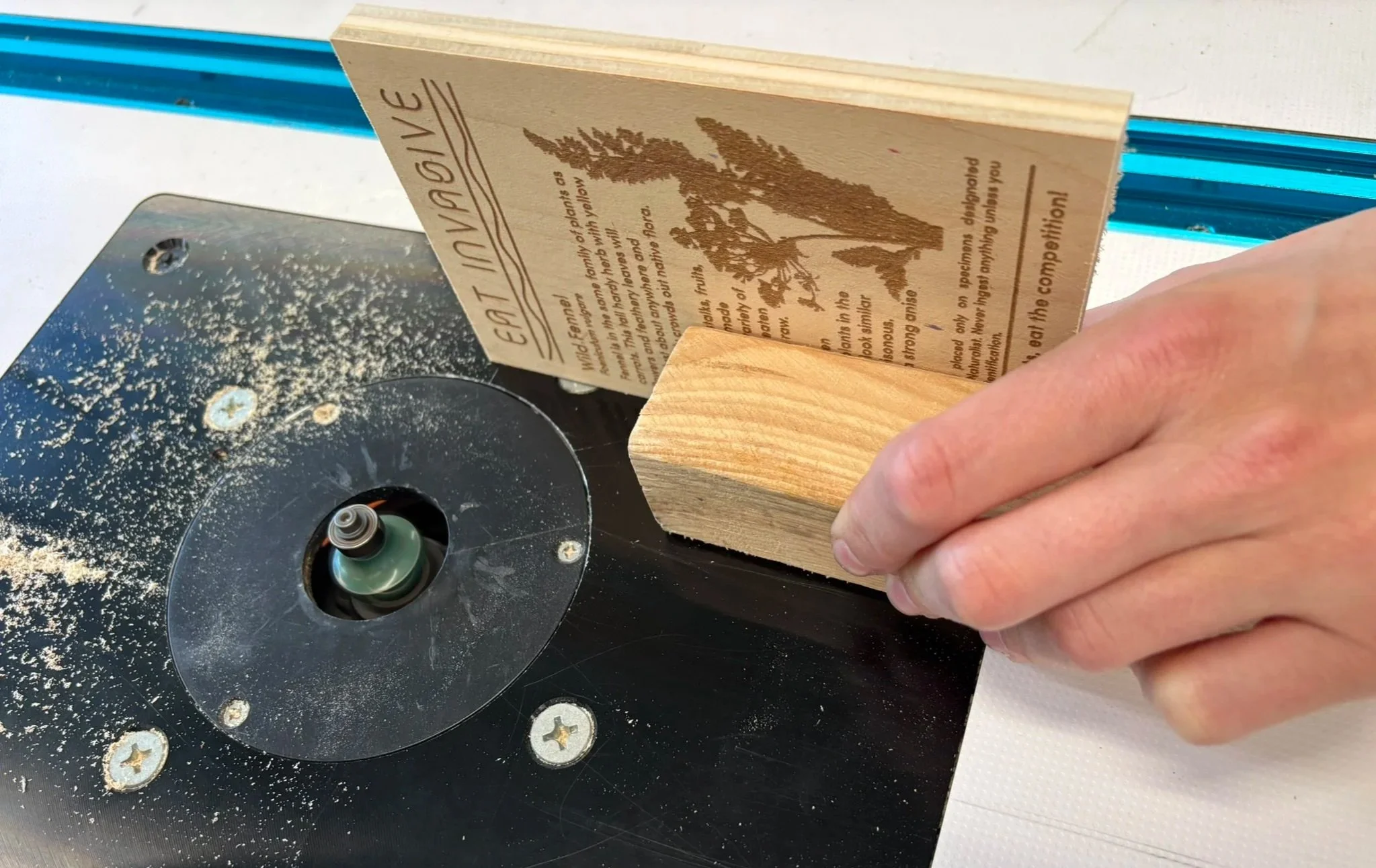
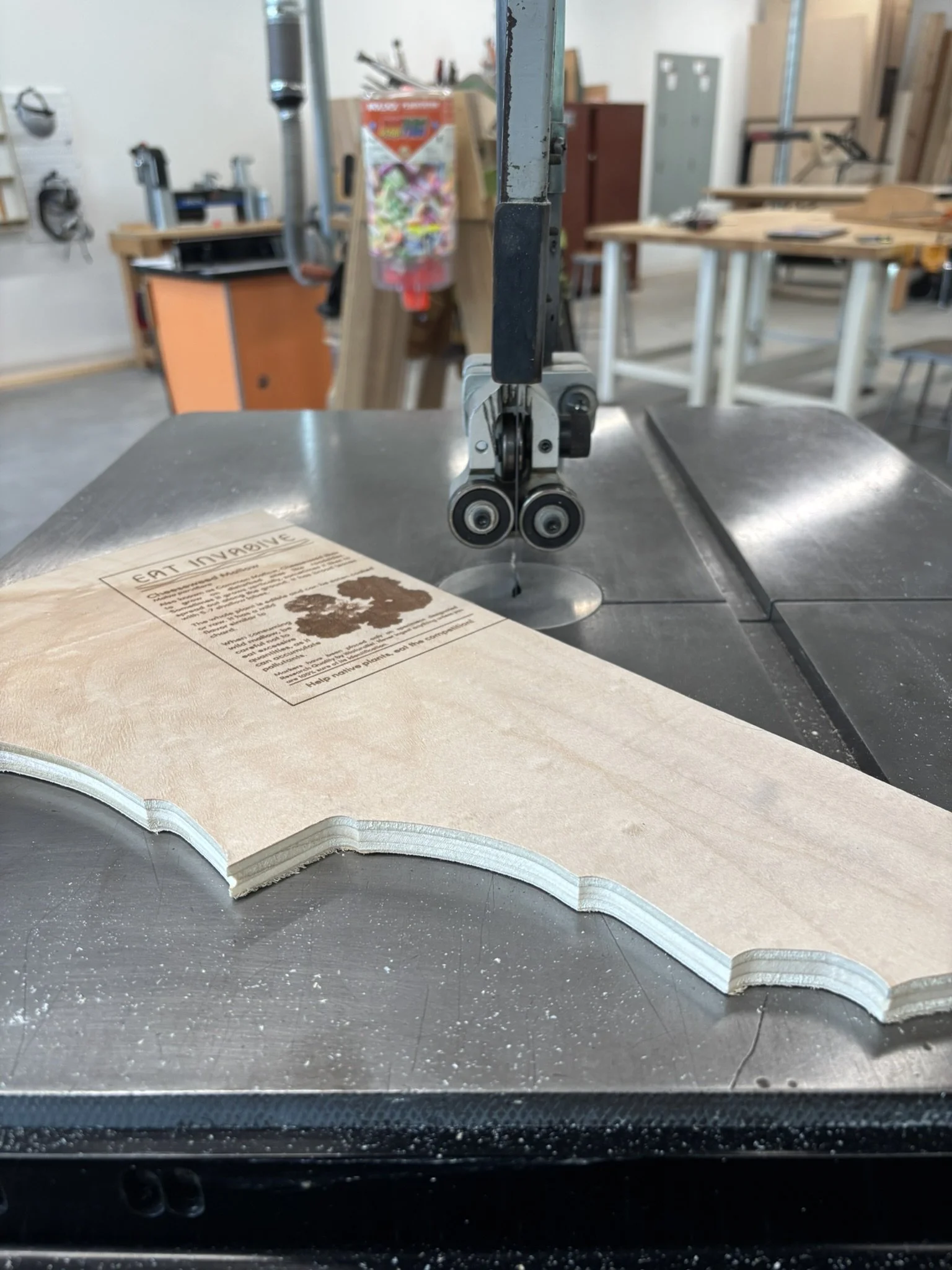
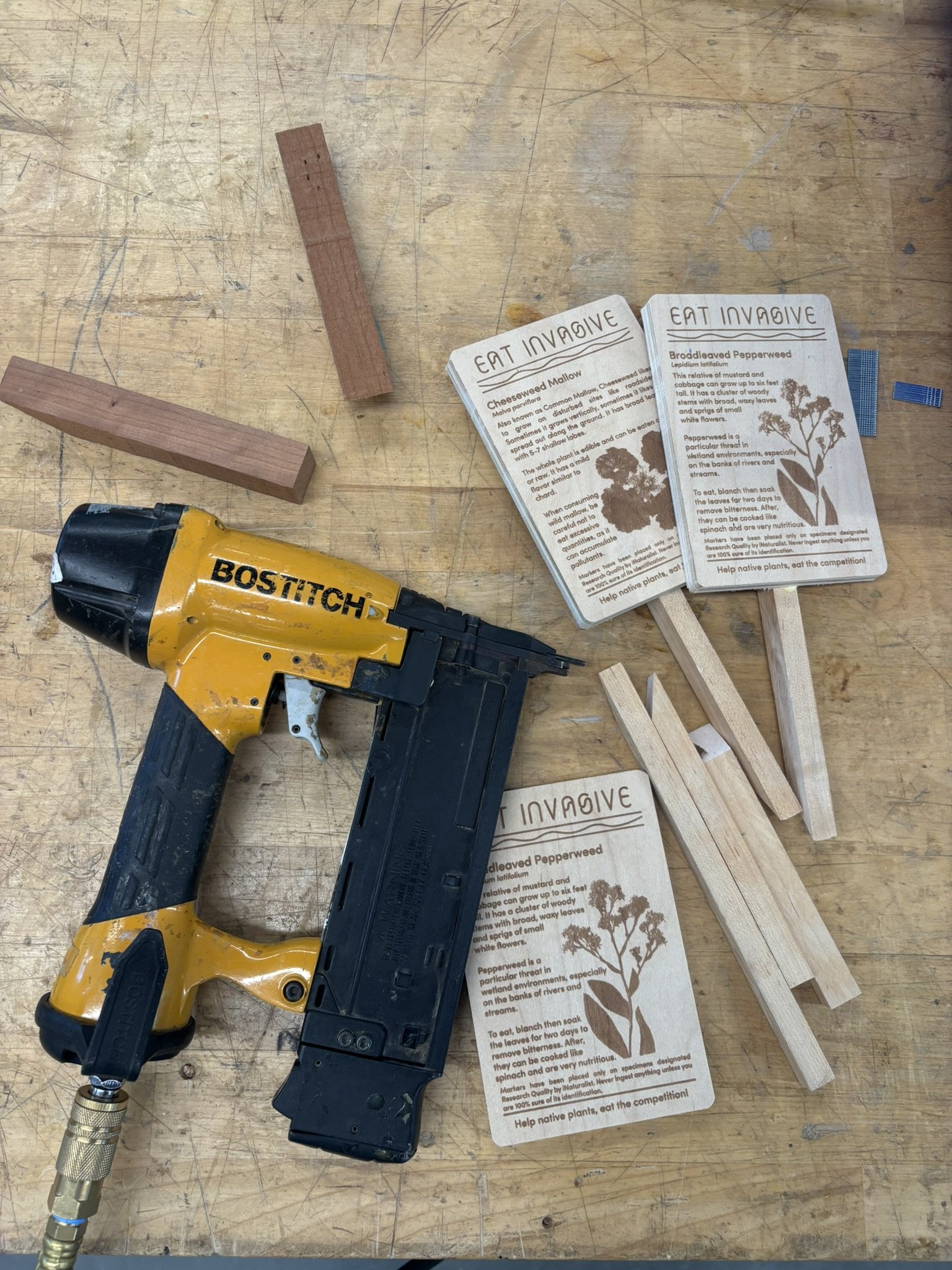
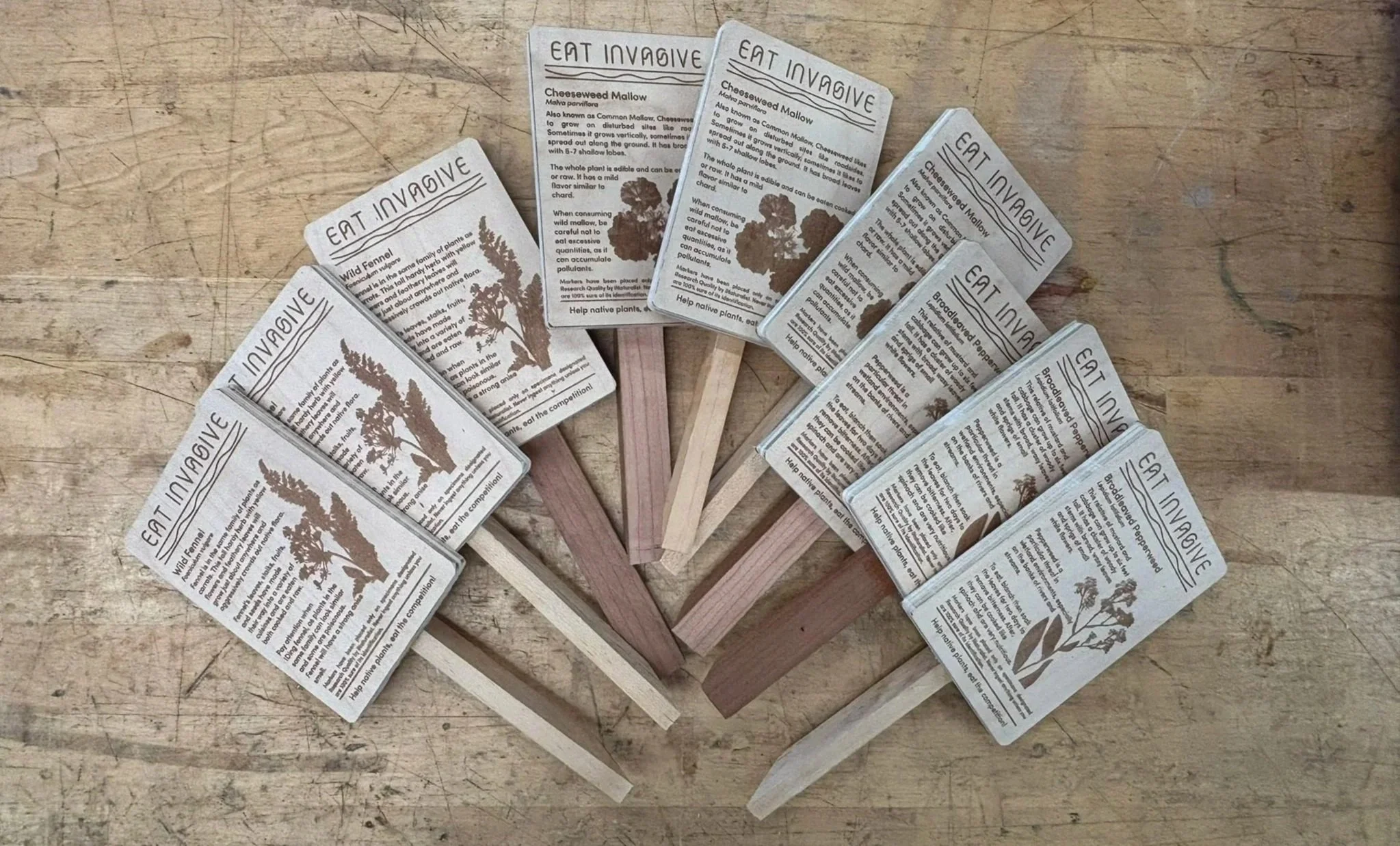
In keeping with the project’s sustainable ethos, I only used scrap material to create the markers.
HOW IT WORKS
I placed markers around the Mission Creek Site on a temporary basis.
In this particular iteration of the project, I did not feel it would be wise to leave the markers up unattended. If I were to move forward with the project, I would want to get in touch with local foraging organizations and take soil samples to ensure that the recommendations I was making were safe. As a prototype, the Mission Creek Park instance of Eat Invasive successfully demonstrates how easy it can be to reframe an invasive species as a collaborator in nourishing one’s self and community instead of a problem to be combated. All you need is a little knowledge and some scrap wood.
CURRENT STATUS AND REFLECTIONS